Understanding the Concerns with Municipal Water
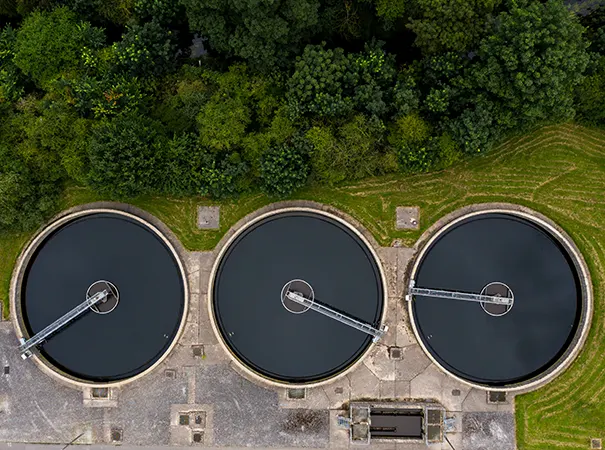
Municipal water systems in the United States are regulated by the Environmental Protection Agency (EPA) to meet basic safety thresholds. Despite these measures, trace levels of contaminants can persist due to aging infrastructure, treatment processes, and environmental factors. For families prioritizing health, it is crucial to acknowledge these risks and explore solutions that improve water quality.
Indicators of Potential Water Quality Issues
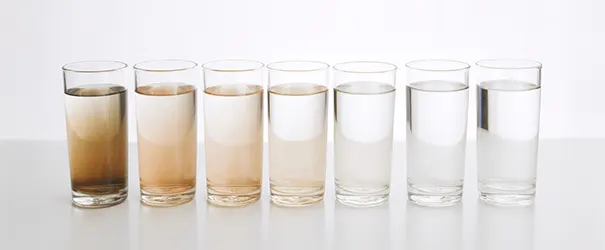
Homeowners should monitor for signs that municipal water may require additional treatment, including:
Recognizing these indicators early allows for proactive measures to protect household health.
Water Reports
Broward Water Quality Report | Miami-Dade Water Quality Reports | Pembroke Pines Water Quality Reports | EWG Tap Water Database
What’s Typically Found in Florida Water?
Hard Water Minerals
Calcium and magnesium cause scale buildup and soap inefficiency.
Calcium and magnesium cause scale buildup and soap inefficiency.
Chlorine / Chloramines Used to disinfect water – responsible for odor and taste.
Sediment
Sand, rust, or particles from aging infrastructure.
Sand, rust, or particles from aging infrastructure.
Trace Contaminants
Small amounts vary by location and water source.
Small amounts vary by location and water source.
Safe Drinking Water and Microbial Contamination
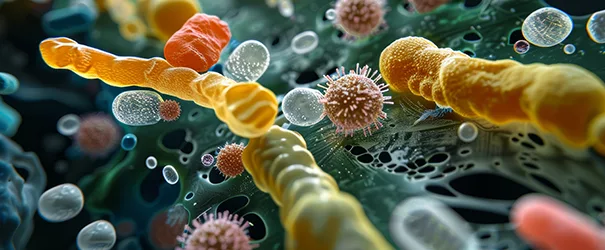
Microorganisms such as bacteria, viruses, and protozoa can enter drinking water from a variety of sources. While municipal systems provide disinfection, private wells and aging infrastructure can still allow harmful contaminants into your drinking water. Even small amounts of biological contamination can lead to serious illness.
Testing regularly and using an effective disinfection method is essential for ensuring safe, clean drinking water for your home
Testing regularly and using an effective disinfection method is essential for ensuring safe, clean drinking water for your home
Why Microbial Contamination Matters
Common indicators of contamination include:
When consumed through drinking water, these microorganisms can cause:
Recognizing these indicators early allows for proactive measures to protect household health.
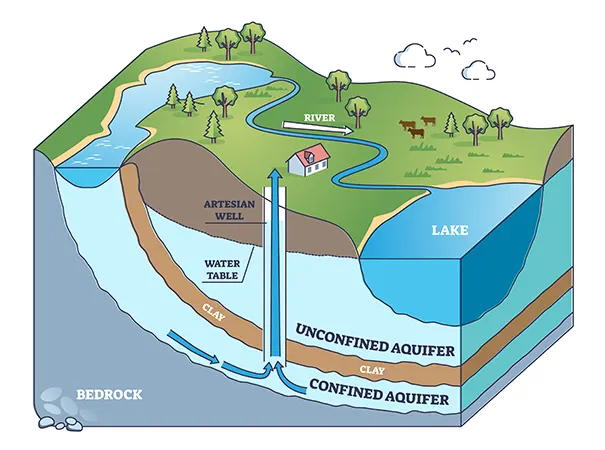
Where Florida’s Drinking Water Comes From
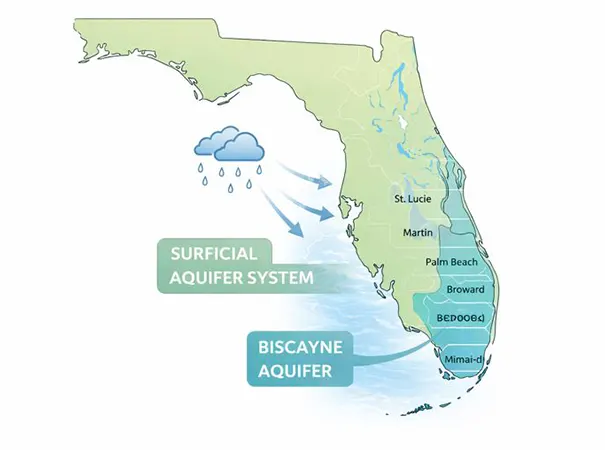
In Florida, most of the freshwater we use comes from underground aquifers made of porous rock, such as limestone or sandstone, that store and transmit water. In South Florida, aquifers vary in depth and composition, but the primary source of drinking water is the Surficial Aquifer System, a shallow and widespread aquifer located about 100 to 300 feet underground and separated from deeper aquifers by a confining soil layer.
The Surficial Aquifer System
The Surficial Aquifer System supplies most public freshwater southwest of Lake Okeechobee and along the Atlantic coast in St. Lucie, Martin, Palm Beach, Broward, and Miami-Dade counties. It is recharged mainly by rainfall, as well as by surface water and groundwater flow, and its water levels can change quickly due to rainfall, drought, or pumping.
The Biscayne Aquifer
The Biscayne Aquifer, part of the Surficial Aquifer System, covers more than 4,000 square miles and is the most heavily used water source in Florida, supplying water to over 5 million people in Miami-Dade, Broward, and southern Palm Beach counties.
Is Florida’s Tap Water Completely Safe?
Many homeowners place implicit trust in their city’s municipal water supply, assuming it is entirely safe for daily consumption. However, even water that adheres to regulatory standards may still harbor contaminants such as chlorine, disinfection byproducts, lead, and per- and polyfluoroalkyl substances (PFAS, also known as “forever chemicals”), which pose potential health risks.